
For SMBs and agencies needing secure, organized client management in 2026, Flowith sets the pace for streamlined collaboration—combining a unified portal with no-code automation and granular control over every step.
From Launch to 2026: Flowith’s Trajectory
- 2023: Flowith launches as a modern solution to consolidate spreadsheets, project tools, and fragmented client emails.
- 2024: Expands with advanced forms, white-labeling, and secure file management, targeting consultancies and agencies.
- 2025: Adds deeper automation, 3rd-party integrations, and granular permission controls, continuing rapid SMB adoption.
- 2026: Positions as the default portal + workflow hub for modern service teams—AI-driven collaboration, rich templates, and bridge integrations make Flowith a category leader.
Key Features by Capability
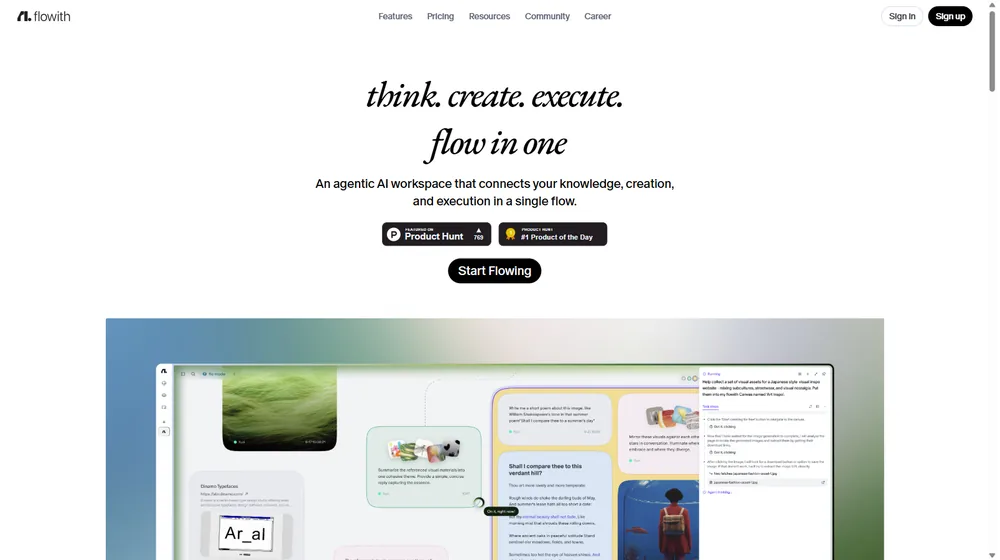
- Client Portal: Centralized hub for messaging, tasks, files, signatures, and approvals—customizable branding and client views.
- No-Code Workflow Automation: Build and automate onboarding, project phases, document collection, signatures, and billing without IT help.
- Forms & eSignature: Dynamic forms, file requests, and legally binding signatures streamline any client-facing process.
- Secure Document Vault: Encrypted storage and permissions—grant clients or staff granular access to folders and files.
- Integrated Invoicing & Payments: Invoice clients, process payments, and sync with popular accounting tools.
- White-Labeling: Use your domain, logo, and theme for a seamless branded experience across touchpoints.
- Automation + Triggers: Automate email reminders, approve workflows, and trigger actions across connected services.
Workflow & User Experience
- Unified Dashboard: Track every client, request, and workflow stage at a glance.
- Simplified Setup: Pre-built templates for common scenarios—onboarding, KYC, compliance, project delivery.
- Mobile-Optimized: Full-featured portal and notifications designed for teams and clients on the go.
- Role-Based Permissions: Fine-tuned controls—for staff, clients, and external collaborators.
Flowith Pricing
| Plan | Key Features | Pricing |
|---|---|---|
| Essential | Core portal, tasks, e-signature, chat, 1 admin, up to 3 client users | $39/mo (est.) |
| Pro | Automation, white-label, document automation, API, 5 admins | $99/mo (est.) |
| Business | Advanced permissions, full integration suite, unlimited clients, premium onboarding | $199/mo (est.) |
| Enterprise | Custom SLAs, SSO, audit logs, dedicated support | Custom/Quote |
Flowith Compared: Alternatives
| Platform | Focus & Standout | Best For |
|---|---|---|
| Flowith | Unified portal + workflow automations; flexible templates; SMB focus | Consultancies, agencies, internal ops, service pros |
| SuiteDash | Robust portal; strong white-label; steeper learning curve | Established agencies with complex needs |
| ClientPortal.io | Simplified portals; fewer automation features; fast setup | Freelancers, micro businesses |
| HoneyBook | CRM, invoices, lightweight portals; less customizable | Small creative shops, new consultants |
Pro Tip: When transitioning multiple teams or clients to Flowith, leverage bulk onboarding tools and pre-built workflow templates to speed up adoption and reduce errors.

Integrations
- Payment: Stripe, PayPal (direct invoice & billing support)
- Accounting: QuickBooks (auto-sync invoices/payments)
- Calendar & Video: Google Calendar, Zoom
- Email: Gmail/Outlook triggers, automated notifications
- Document: Google Drive, DocuSign (planned), Dropbox
Pros & Cons
| Pros | Cons |
|---|---|
|
|
Final Thoughts
- If your business has outgrown emailing PDFs and tracking projects by hand, Flowith feels built for you.
- Its combination of secure portals, built-in automations, and branded experiences positions it as a versatile leader among client management tools by 2026.
- The roadmap shows commitment to integrations and new AI-driven workflow features—making it a smart investment for SMBs, consultants, and agencies demanding both professionalism and efficiency.
Flowith FAQ
Yes, it meets GDPR standards and supports HIPAA via a signed BAA on eligible plans.

Yes, white-label portals support your domain, favicon, and brand visuals.


Ideal for consultants, service firms, and SMBs needing streamlined collaboration.
No—integrates with both. Stripe powers payments; QuickBooks handles accounting.
All plans include chat/email; premium tiers add onboarding and 1:1 setup help.
This post may contain affiliate links and we may earn commissions. Learn more in our disclosure.